
Silent but Serious: What Every Kenyan Should Know About High Blood Pressure
·2 min read
What Is High Blood Pressure?
Blood pressure is the force of blood pushing against the walls of your arteries as your heart pumps. When this pressure stays consistently too high, it puts extra strain on your heart, blood vessels, kidneys, and eyes over time. Left unmanaged, it raises the risk of stroke, heart disease, and kidney problems.
Signs to Watch For
Many people with high blood pressure feel completely normal. That's exactly why it's dangerous — it can quietly progress for years. Some people may occasionally notice:
Persistent headaches
Dizziness or lightheadedness
Blurred vision
Fatigue
These signs are not exclusive to hypertension and can point to other conditions, so they should never be used to self-diagnose. The only reliable way to know your blood pressure is to have it measured.
Everyday Habits That Support Healthy Blood Pressure
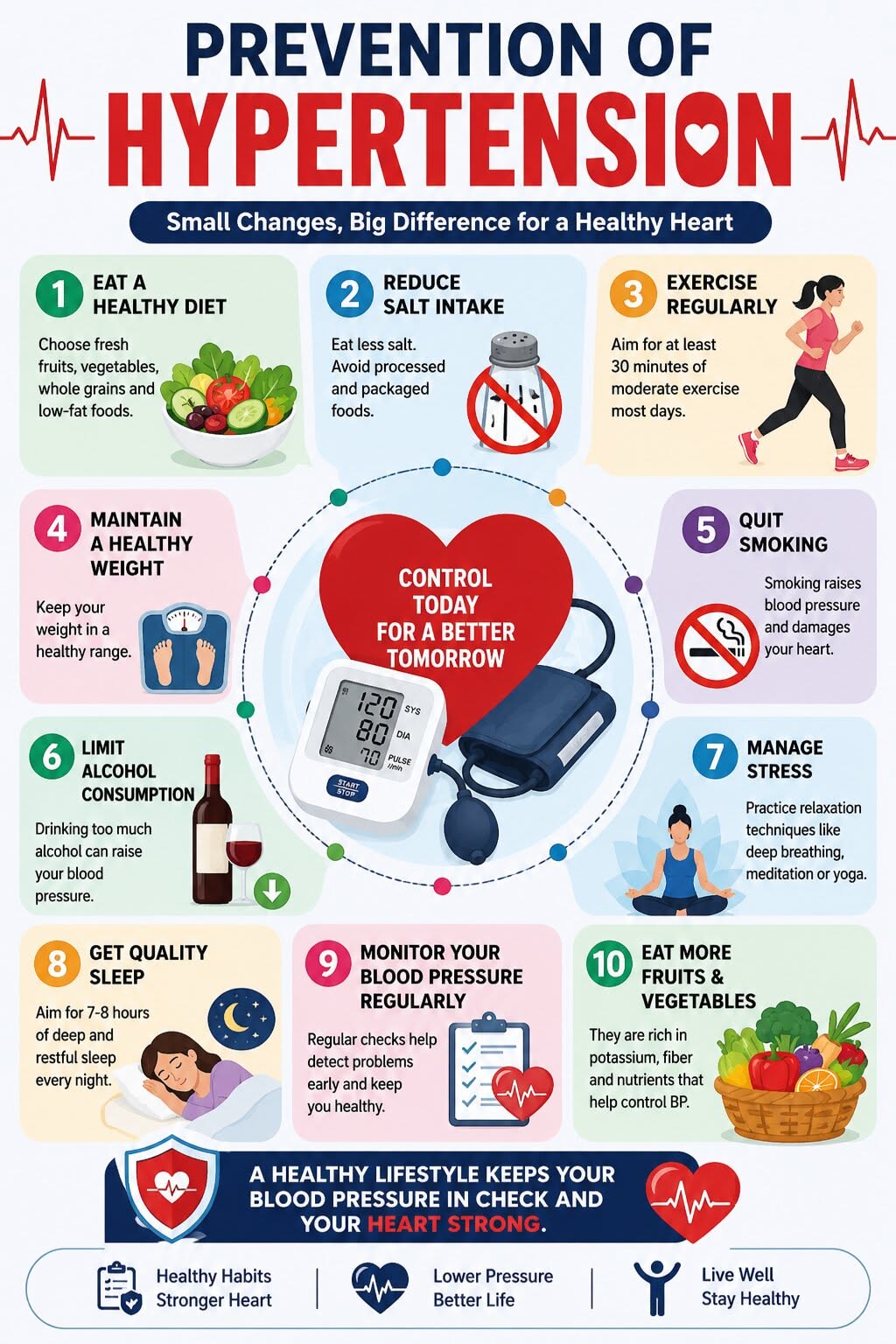
Reduce salt intake — try flavoring meals with herbs and spices instead of extra salt or stock cubes
Stay active — regular movement, even brisk walking, supports heart health
Manage stress — find small daily practices that help you unwind
Limit alcohol and avoid smoking
Maintain a healthy weight where possible
Get regular checks — blood pressure screening is quick, painless, and available at most pharmacies and clinics
When to See a Healthcare Professional
If you have a family history of hypertension, are over 40, or simply haven't had your blood pressure checked recently, it's worth doing so. A pharmacist or clinician can measure it in minutes and advise you on next steps if needed. If you're already on medication for blood pressure, never adjust your dosage without professional guidance.
A Simple First Step
Awareness is the first line of defense against a condition that often gives no warning. Making blood pressure checks a normal part of your routine — the same way you'd check your weight or get a general check-up — can make all the difference in catching issues early.
This article is for general health education and is not a substitute for professional medical advice. Please consult a licensed healthcare provider or pharmacist for guidance specific to your health.